Oh, the Benefits Of Culturing Lactobacillus Reuteri (and Friends) At Home! If you had told me a year ago that I would be culturing my own probiotic super Microbes in an Instant Pot using the Sous Vide function, I’d have raised an eyebrow and gone back to my coffee.

Table of Contents in this Article:
So, what are Microbes?
A journey of discovery and sharing!
Let’s explore new ways to support your healthy microbiome.
The Lactobacillus Reuteri Discovery.
My Experiences and Benefits.
Benefits of L. reuteri, L. gasseri, B. infantis, B. subtilis, and L. crispatus.
Okay, so you ask, how do they taste?
Step-by-Step Recipe, Directions, and Photographs.
Acknowledgements and Links to Source Information.
So, what are Microbes?
“Microbes,” short for Microorganisms that live inside our bodies, are also called probiotics. These are living organisms or certain strains of bacteria and yeasts. There is an army of Trillions doing the work of keeping our bodies healthy, or, in the case of some miscreant microbes, not so healthy. The dance we do with our microbes is to feed them properly, ensuring a beneficial balance.
Prebiotics are not living organisms; they are food components (mainly types of fiber) that feed our living microbes. With the right prebiotic balance, our beneficial microbes do a happy dance, and some that have been dormant can suddenly come to life again.
The science behind our microbes is relatively new. We are just now touching the surface of how important this dance really is. Like many others, even though I have focused on healthy foods, I didn’t know what I didn’t know.
Going Gluten-Free was the first step for my family and me in learning to balance our foods. But that was not enough. Here is what I’ve discovered over the last year that has improved our figurative dance with our microbes.
A journey of discovery and sharing!
I hope you will find the information in this article helpful. It has been a process of discovering these various microbes, understanding their benefits, and researching the work of several doctors and passionate educators who help people take better care of their gut. Although it may be a lengthy article, it will provide a comprehensive overview, all in one place.
I enjoy cooking healthy foods for family and friends, finding ways to avoid feeling deprived on a gluten-free diet, and sharing my latest recipes and foodie insights with you for several years on this website and in other publications, such as my cookbook, has been a joy-filled pastime. Learning where to buy the starters and how to cultivate them has been an enjoyable and fruitful journey.
Let’s explore new ways to support your healthy microbiome.
You know I’ve been a fan of making Fermented Vegetables of all kinds, Sauerkraut, Kimchee, and others for years, and I enjoy how they taste. Fermented vegetables offer numerous health benefits; in fact, they are a prime source of probiotic food for our microbes. The bacteria in fermented foods (whether in their natural state or used in cooking) don’t take up residence in our bodies; they feed our microbiome.
There’s more to our gut health than I ever knew years ago! Now I’ve been making a concerted effort after listening to several medical professionals who are leading the way in this new field of study. In short, they say we need to better understand the itty-bitty creatures in our gut, called microbes. We eat… they digest, and if we feed them right, we are healthier in the long run. Now I’m no doctor, only a reasonably good cook, or so I’m told. And as the saying goes, “You are what you eat!”
The good microbes keep you healthy, but some microbes can be harmful and need to be kept in check by the good microbes. Most of us have taken antibiotics at some point in our lives to combat or prevent various illnesses. Antibiotics have been a blessing and are credited with our modern good health. The problem, as I understand it (remember, I’m not a health professional), is that antibiotics also kill the good along with the bad. We no longer have some of the good bacteria our parents or grandparents may have been born with. This is where eating the right foods, introducing beneficial microbes, waking up some, or introducing the lost ones into our diets is essential.
The Lactobacillus Reuteri Discovery
Dr. William Davis was the first doctor who influenced me to try making L. Reuteri (and friends) at home, a cultured dairy that mimics the best Yogurts in taste and texture. (See Acknowledgements below). We all know that natural yogurt is good for you, but it only has certain strains of bacteria, and perhaps we need a few more. I started watching Dr. Davis’ YouTube videos to gather as much information as possible. Here is an interview of Dr. Davis by Dr. Berg, titled The Microbe That Changes Everything!”
As a note, many of the doctors listed in the Acknowledgements below have significant research and ideas; however, since the science surrounding the microbiome is still evolving, I believe we must all make our own decisions. We need to keep searching. Not everyone can have the same diet. What might be suitable for one could be detrimental to another. I don’t like focusing on all the negatives, but I prefer to share the positive results we can achieve. As such, I only share my personal experiences here.
My Experiences and Benefits
So here I am, sort of living proof since I’ve spent the past year joyfully incubating L. reuteri, L. gasseri, B. infantis, B. subtilis, and a few other “friendly bugs” like L. crispatus that have made a noticeable difference in my digestion, mood, sleep, and general feeling of better well-being.
Yes, when I looked in the mirror a year ago, I felt like I was starting to look a bit pasty. I’m always looking for ways to improve our gluten-free diet. Doing things for the microbiome seemed like a good start. Hearing that antibiotics can eliminate many good species was concerning.
The benefit of incorporating something natural into your diet is that it can take time to notice a difference. However, it is often worth the wait, as quick fixes can frequently come with unintended side effects.
Even though I regularly incorporated L. reuteri into my diet, travelling made it impossible at times. Even so, within a short time, I noticed that some skin irregularities, including rosacea, had improved. A year later, some issues have improved significantly. The pasty look and some wrinkles lessened (I applied L. reuteri as a facial mask, which helped clear some spots), and my thinning eyebrows, which I often retouched with makeup, grew back. I didn’t notice, but my husband says my almost-white hair has darkened to a more silver shade. My hairdresser says my fine, wispy hair is getting more body.
I gained muscle, which was very useful for working in the garden last summer. I am still working on the bloating, but I can see improvements. One reason I feel it is taking this amount of time for me is that, because of a childhood illness, I was asked to take a series of antibiotics every six months when having my teeth cleaned, even though I had no symptoms of illness at the time. Dentists no longer ask for this now that more is known about our microbiome. Thankfully, antibiotics are now reserved for more serious conditions, rather than being the first choice of treatment.

Benefits of L. reuteri, L. gasseri, B. infantis, B. subtilis, and L. crispatus.
Lactobacillus reuteri
- You may see this referred to as Limosilactobacillus reuteri, which is the same; this new scientific name was introduced in 2020, but most still refer to it by its original name.)
- L. Reuteri is one of the most researched microbes. Benefits include improving gut health by balancing the gut microbiome, aiding in issues such as infant colic by improving digestion in newborns and pre-term infants, helping alleviate tummy aches in children, reducing diarrhea and chronic constipation, supporting the immune system, and having a positive effect on skin health. Most remarkably, Dr. William Davis and others have highlighted L. Reuteri’s role in producing oxytocin — the gut-brain axis responsible for a “feel-good,” trust-building hormone that keeps us connected and resilient.
- L. reiuteri performs a balancing act for improving the gut microbiome, suppressing harmful bacteria while aiding digestion. Dental studies show a reduction in the prevalence of dental caries and gingivitis in infants.
- It can influence immune cell differentiation and modulate the production of specific cytokines, including IL-10, IL-1β, TNF-α, and IL-8. (according to the research I read)
- Some studies suggest L. reuteri reduces mucosal inflammation in children with inflammatory bowel disease (IBD).
- Helps reduce general and neuroinflammation
- Combats certain pathogenic skin bacteria.
- Produces a compound called reuterin, which has antimicrobial effects against harmful bacteria.
- Improves muscle mass even in the elderly.
- Improves sleep quality
- Improves Hair growth
Lactobacillus gasseri
- L. gasseri is known for abdominal fat reduction, metabolic support, and appetite calming.
- Provides benefits for gut health, weight management, and immune function.
- Benefits mood and sleep.
- Aleviates menopausal symptoms.
- L. gasseri helps maintain the balance of beneficial bacteria in the gut, which is crucial for proper digestion and nutrient absorption.
- Helps enhance the body’s immune response to fight off infections.
- Prevents digestive discomfort, including bloating and constipation.
- Several studies suggest L. gasseri can help reduce body weight, BMI, waist circumference, and body fat, particularly visceral fat. Helps manage weight even when participants don’t change their diet.
- L. gasseri can support emotional well-being and reduce stress.
- It may help alleviate psychological and vasomotor symptoms associated with menopause and reduce anxiety in women experiencing PMS.
Bifidobacterium subtilis
- Bacillus subtilis is a type of “good” bacteria and a popular spore-forming probiotic, naturally found in the human gut and soil. It is widely used in dietary supplements and fermented foods (such as the Japanese dish nattō) due to its resilience and ability to withstand the harsh conditions of the gastrointestinal tract.
- Excellent for soothing digestion, reducing bloating, and lowering gut inflammation.
- Improves digestion by aiding in the breakdown and absorption of food and nutrients.
- Studies have shown that B. subtilis can help alleviate symptoms such as bloating, belching, and flatulence.
- B. subtilis helps strengthen the gut lining and is beneficial for those with conditions like IBS (Irritable Bowel Syndrome) and for recovery after antibiotic use.
- B. subtilis improves immune response and resistance to illness.
- Reduce risk factors associated with cardiovascular disease.
- B. subtilis can also be cultured in the same manner as the others, as a kind of pseudo yogurt. I have also used the culture to make a kind of Natto using cooked Pinto or Black Beans. Natto is traditionally made with soybeans. I first cooked the beans in an Instant Pot, drained them, and when they were cool, added the B. subtilis and stirred to combine. I then placed the beans in a bowl in the Instant Pot on top of the strainer to ferment. I put a little water in the bottom of the pot. I fermented the mixture at 100°F for about 12 to 24 hours, checking it at various points. Once the white fungus had appeared on the beans, I then refrigerated them until ready to use. Natto has a stringy texture and is best eaten mixed with gluten-free soy sauce, a little vinegar, and chopped onions, and served on top of freshly cooked rice.
Note: Dr. William Davis discusses a condition called SIBO, or “Small Intestinal Bacterial Overgrowth,” in which harmful bacteria in the small intestine are typically found only in the large intestine. This can lead to digestive issues, including bloating, abdominal pain, diarrhea, and excessive gas. One of the more severe issues is inadequate nutrient absorption, which can lead to other problems. Dr. Davis proposes culturing L. reuteri, L. gasseri, and B. subtilis separately, then combining them to cure or alleviate SIBO.
Dr. Sarah Myhill recommends taking 1 teaspoon of pure Vitamin C crystals or ascorbic acid on an empty stomach in the morning to help clear SIBO. I have also found that this practice is becoming increasingly beneficial for reducing bloating.
Bifidobacterium Infantis
- Bifidobacterium infantis offers several benefits, including enhancing gut health by outcompeting pathogens, reducing inflammation, supporting immune function, and potentially aiding in the management of specific conditions, such as colic and atopic dermatitis, in infants. It can enhance the gut microbiome’s ability to digest complex carbohydrates, leading to improved nutrient absorption and greater digestive comfort.
- Promotes a healthy gut environment: B. infantis competes with and reduces the growth of harmful bacteria, thereby reducing the burden of gastrointestinal pathogens.
- It can help decrease gastrointestinal inflammation and produce anti-inflammatory compounds, thereby maintaining a healthy gut barrier.
- B. Infantis is well-adapted to the infant gut, especially for digesting complex carbohydrates found in human milk, which can improve overall digestive comfort. Traditionally, B. Infantis was passed from “moms to their babes” and is said to be a crucial microbe that benefits a child’s brain development.
- Studies have shown that B. infantis may help reduce symptoms of colic, such as crying and agitation, and can be beneficial for certain functional gastrointestinal disorders in infants.
- B. Infantis supports immune development, helping to mature the infant’s innate immune responses. It has even been linked to improved vaccine responses in some studies.
- Supplementation can reduce levels of antibiotic-resistant genes in the gut.
- Reduced levels of Bifidobacteria have been associated with a higher prevalence of metabolic disorders and other health issues later in life, underscoring the importance of maintaining a healthy gut microbiome from an early age.
- Some studies suggest that B. infantis strains may have protective effects, such as reducing the incidence of necrotizing enterocolitis (NEC), a serious condition that can affect the intestines of premature babies.
- Improves functional constipation.
Lactobacillus crispatus
- The benefits of L. crispatus probiotics are primarily focused on maintaining and improving vaginal health by creating an acidic environment that inhibits pathogens, such as those that cause bacterial vaginosis and yeast infections. It also helps maintain a balanced vaginal microbiome, reduces the risk of sexually transmitted infections (STIs), can help improve HPV viral clearance, and may help relieve symptoms associated with vaginal infections. Producing antimicrobial substances, such as bacteriocins, helps prevent infections like bacterial vaginosis (BV), yeast infections (e.g., Candida albicans), and urinary tract infections (UTIs). Supplementation with L. crispatus can help alleviate symptoms of vaginal infections, including itching and discharge.
- L. crispatus also shows promise in males for help with prostate issues. One study showed a lower incidence of prostate troubles in men who exhibited a greater amount of L. Crispatus.
- It helps protect against certain sexually transmitted infections, including HIV.
- Some studies have shown that L. crispatus can reduce the HPV viral load and improve the rate of HPV clearance.
- During menopause, the number of Lactobacillus can decline. L. crispatus helps maintain the stability of the normal vaginal microbiota, which is crucial for overall vaginal health.
- During pregnancy, this bacterial bodyguard becomes even more critical—women with high levels of L. crispatus have lower rates of preterm birth and Group B Strep.
Okay, so you ask, how do they taste?
Is the pseudo-yogurt made with these microbes hard to eat, or does it taste okay? The different flavors of each microbe are an acquired taste, a little more tangy than regular yogurt, but they have a creamy texture and are surprisingly addictive. You will probably love them plain, mixed together, and eaten with Kefir, but they become even more delicious mixed with a few berries or other fruit. Although some are more sour than others, they never have an off or spoiled taste. You can make the first batch using the contents of the purchased capsules, and then create subsequent batches from the cultured microbes themselves. I have frozen part of the batches and used them to make new batches.
- L. reuteri has a smooth taste not unlike regular Greek Yogurt; it can be great alone, with fruit, or mixed in a salad instead of sour cream.
- L. gasseri has the most sour undertones of any, but that is easily solved. I’ve found that the first batch of L. gasseri made using powder from capsules can separate into almost curds and whey. Still effective, stir and eat with L. reuteri. The second batch comes out creamy and delicious with a note of sourness.
- B. subtilis, as a pseudo yogurt, has a mild taste, but is best mixed with the others or with Kefir or with a bit of fruit or honey.
- B. infantis has a hint of lemon taste.
- L. crispatus has a mild flavor
Step-by-Step Recipe, Directions, and Photographs.
The Sous Vide Instant Pot Method: (Surprisingly Perfect!)
I’ve heard that some people use yogurt settings or heating pads, and I considered those options, but the Instant Pot 8-quart model with the Sous Vide setting has been a game-changer. In fact, the Instant Pot does so many things, I wonder how I ever lived without one. For instance, I used to make pots of dried beans, chili, etc., stirring them for almost a whole day. Now, after soaking, beans are perfectly tender in 40 minutes plus a bit of pre-heating time. They are even tastier, too!
To cultivate L. Reuteri (and friends), you need a specific temperature for a specific time to get it right.
- The Instant Pot holds a precise temperature for the full 36 hours, which Dr. Davis says is optimal for achieving the highest microbial count.
- You can set the exact temperature. 100°F is the optimum temperature.
- The Sous Vide feature prevents the microbes from overheating (essential!) Or they will die.
- The Sous Vide feature is seamless with no fuss or muss.
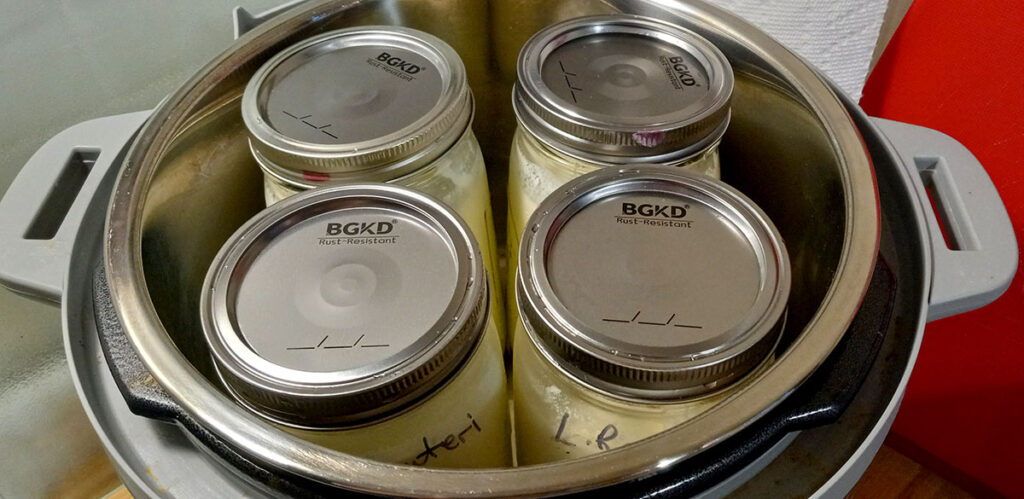
- You can culture multiple jars at once. The 8-quart model will accommodate four mason-style, wide-mouth jars at a time. Note: I use the “Ball” Brand, as some others I had would only fit three jars.
Directions and Photographs.
The same recipe and method work for incubating L. reuteri, L. gasseri, B. subtilis, B. infantis, and L. crispatus.
Prepare the jars:
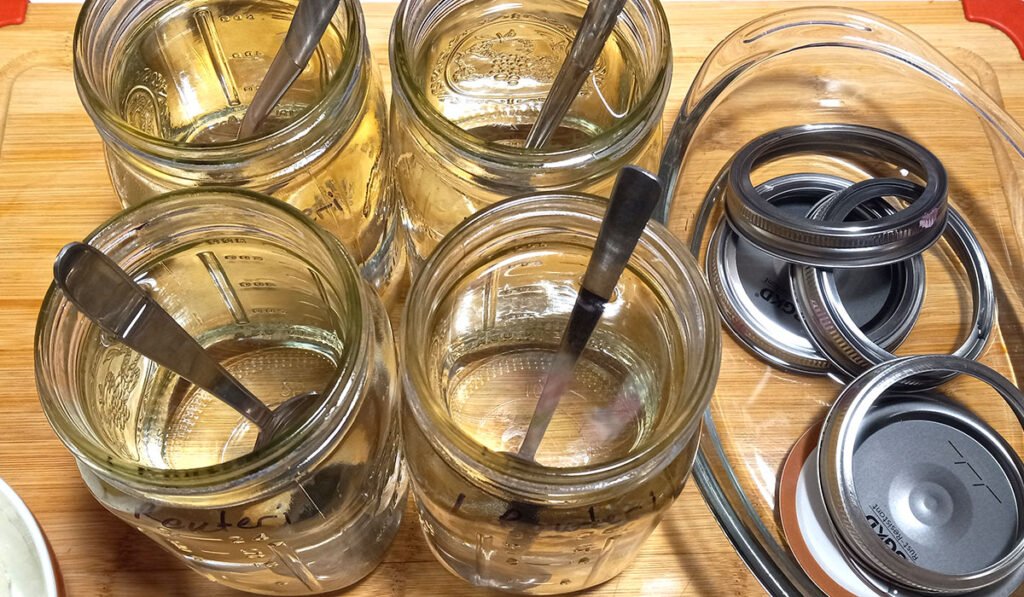
- Sterilize the jars with stainless-steel spoons inside by pouring boiling water into them. In a separate bowl, pour boiling water over some stainless steel mason jar lids. (Regular lids will rust with one or two uses)
- Let the jars cool to room temperature, then pour out the water.
- Label the jars with a black marker; it can be washed off later.
Dissolve Inulin in 3.5% milk, or 10% to 18% cream – adding some 35% cream is optional; I find half-and-half is creamy and lovely**.
Inulin has the habit of clumping. I have tried several methods, and this seems to work best.
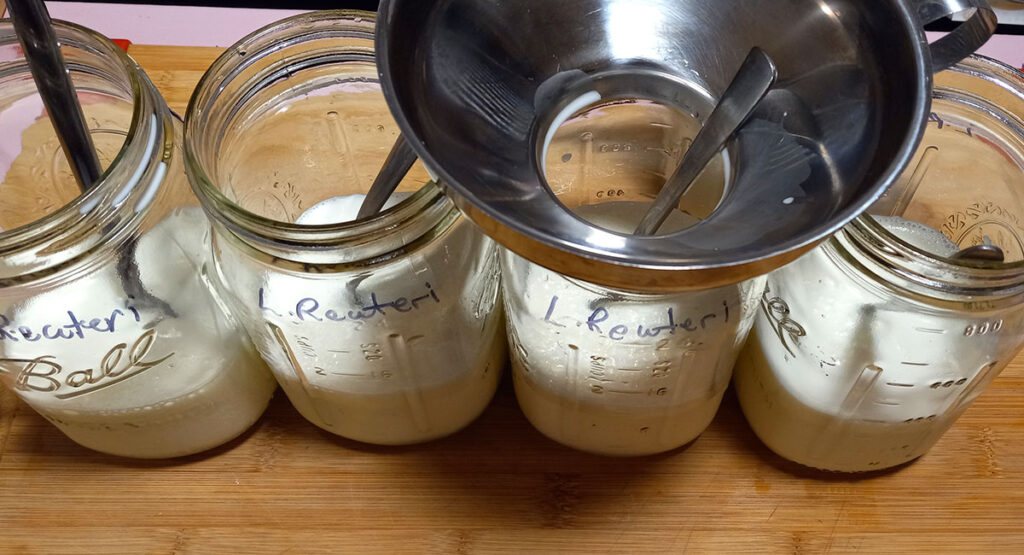
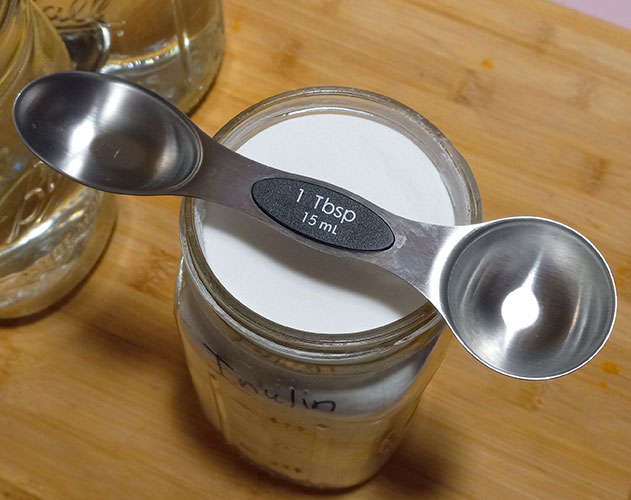
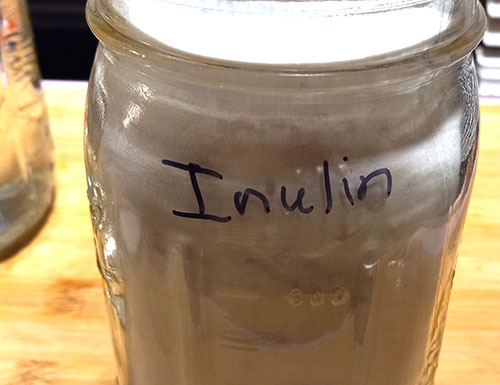
- Use the measurement markings on the quart Ball jars and pour in cold cream to just below the halfway mark.
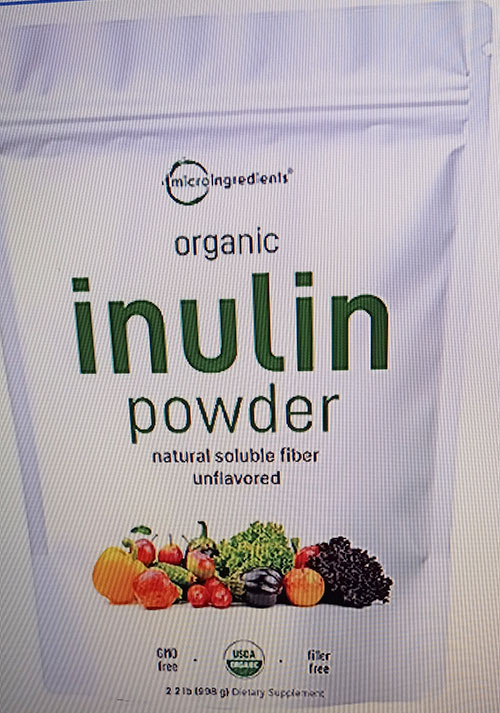
- Measure 2 tbsp. For Inulin: Start with one jar at a time, add the inulin, and stir for a few seconds. Continue with each jar. Then stir again, starting from the first jar, scrape the bottom. Let it stand for a few minutes while you do something else, and when you return, the inulin will dissolve more readily. If some is stuck to the spoon, use another to scrape it back into the jar. Don’t worry if a few particles remain; the Sous Vide process will dissolve the rest of the inulin.
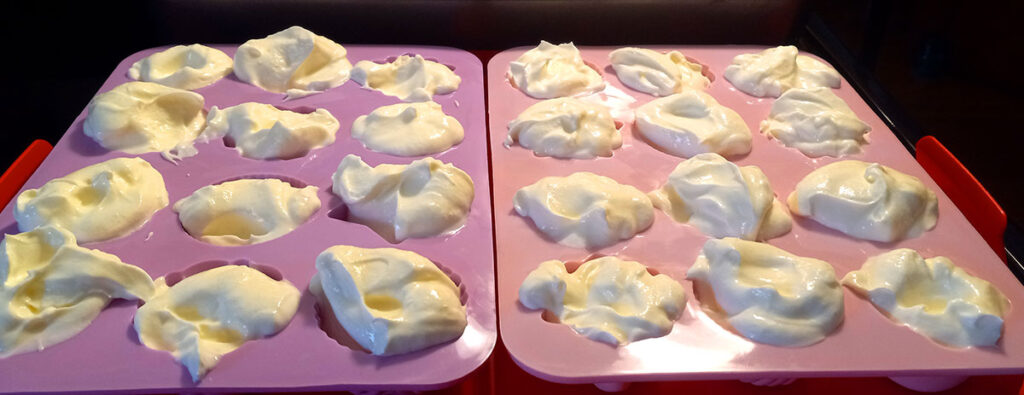
- Add the desired Microbe. Either 4 capsules of starter powder or 2-3 tbsp. Of a starter from another batch. (or frozen starter from another batch)
- Stir to amalgamate the Inulin and the Starter.
- Fill the jar with more cold milk or cream, leaving some room for expansion during processing. (The first batches I made, I heated the cream in a saucepan to 80°F before pouring it into the jars.) Then, I used the same temperature water for the Sous Vide surround, but the Instant Pot pre-heats until the desired 100°F is reached before starting the timer, so I found this step to be unnecessary.)
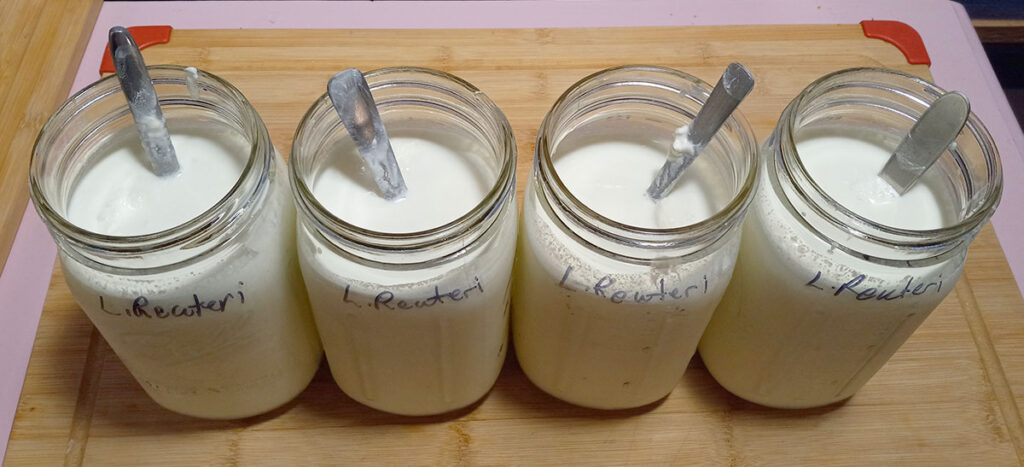
Place the Jars in the 8-quart Instant Pot.
- Place the capped jars in the Instant Pot and test to ensure the lid closes properly.
- Fill the cold tap water up to the level of the milk or cream in the jars.
- Loosen the lids slightly to allow fermentation gas to escape, preventing the contents from spilling out.
- Close the lid on the Instant Pot and set the time and temperature. 36 hours at 100°F.
- Tip: Since the Instant Pot doesn’t beep when the time is up, set a timer near the end of the 36 hours to alert you.
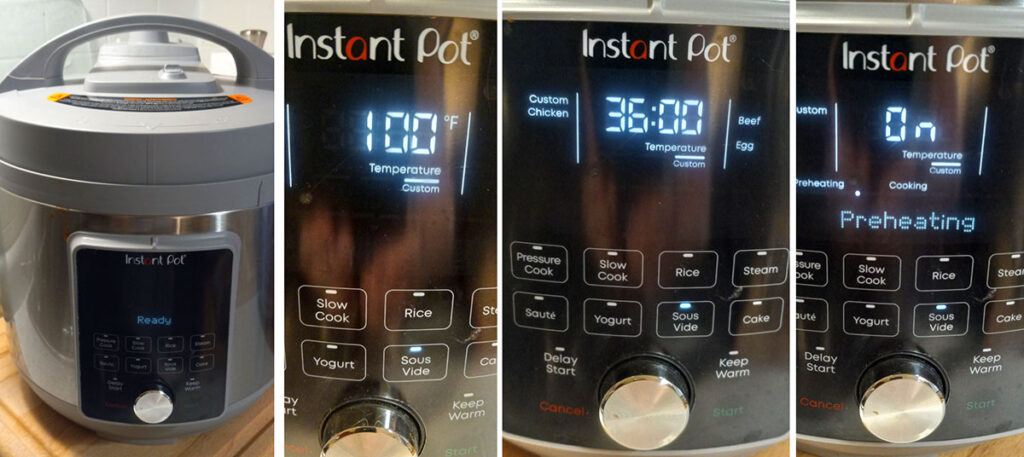
Preheating only takes about 30 minutes. With the water and contents cool, the temperature rises gradually to 100°F.
Remove and Refrigerate
- Open the Instant Pot Lid
- Tighten the lids on each jar and then lift them out of the Instant Pot.
- Place each jar on a clean tea towel and wipe the sides dry.
- Place each jar in the fridge and chill before using. Stir the contents if necessary.
Shelf Life
- Store in the fridge for up to two weeks and use as desired.
- Remove some of the culture, freeze, and save in small silicone molds.
- Serving size for an adult is 1/2 cup. However, if you are mixing 3 or 4 different microbes together, a heaping tablespoon of each is sufficient. Serving size for a child is 1/4 cup or less.
**Some people who have lactose intolerance can tolerate cream with a higher percentage of butterfat. I have used various combinations and found that 10% or half-and-half cream works well. Some people I have seen prefer it with 35% cream or a mixture; it is all a matter of personal preference. For those intolerant of dairy, consider using Aquafaba, the starchy, viscous liquid left over from cooking chickpeas. In this case, follow the same directions after soaking and cooking the chickpeas in a reasonable amount of unsalted, filtered water. (Cook under pressure in the Instant Pot for 40 minutes) Drain, cool, and follow the exact directions as with milk or cream.
Good Health Doesn’t Have to Be Complicated — or Serious. This all sounds complicated and time-consuming, but once you have done it a couple of times, it is not onerous at all.
After a year of experimenting, I can honestly say:
- This has been one of the easiest habits to maintain
- The results have been steady and noticeable
- It feels empowering to create something so deeply nourishing right at home
- Remember, your Microbiome deserves the best!
Have you ever cultured your own probiotics? What’s your favourite strain? Or have you tried something similar and come up with a fun story? Drop a comment below — I’d love to hear your microbial dance tales.
Acknowledgements and Links to Source Information.
Dr. William Davis is a preventive cardiologist and author of books including Super Gut and Wheat Belly. Dr. Davis promotes culturing the bacterial species Lactobacillus Reuteri and others at home. Cultured L. Reuteri is not what the industry refers to as yogurt, but it resembles it in some ways. He says, “This bacteria has been lost from the microbiomes of 96% of people in the Western world due to exposure to antibiotics, herbicides, pesticides, prescription drugs, etc. Restoring L. reuteri can yield spectacular health benefits, from smoothing skin wrinkles to increased muscle and strength, to increased empathy for other people, much of this achieved by this species’ ability to increase oxytocin.”
Dr. William Davis – New interview: “1/2 Cup per Day to Fix Insulin Resistance & Shrink Belly Fat” | An interview by Jesse Chappus with guest William Davis, MD.
Dr. William Davis, GLP-1 Agonist Drugs for Weight Loss: A Really Bad Idea – Watch the video on YouTube.
Dr. William Davis answers selected questions.
Dr. William Davis talks about his new book, Super Body, in this video, The New and Exciting Paradigm in Weight Management: Shape and Body Composition
Dr. Eric Berg, D.C., holds a Doctor of Chiropractic (D.C.) degree from Palmer College of Chiropractic.
Watch and Interview by Dr. Eric Berg with Dr. Davis on YouTube. The Microbe That Changes Everything!
Dr. Sarah Myhill qualified in medicine with Honours from the Middlesex Hospital Medical School. She has long specialized in treating Myalgic Encephalomyelitis/Chronic Fatigue Syndrome (ME/CFS), focusing on an approach that addresses the underlying causes through diet, nutrition, and lifestyle changes, particularly in relation to mitochondrial dysfunction. She now works as a naturopathic physician.
Watch a YouTube Interview with Dr. Sarah Myhill.
Dr. William Li earned his MD from the University of Pittsburgh School of Medicine and completed his residency at Massachusetts General Hospital. Dr. Li received his AB with honors in biochemistry from Harvard College. He is a physician-scientist, author, and the president and medical director of the Angiogenesis Foundation.
Watch an interview with Dr. William Li on YouTube.
Dr. Pradip Jamnadas was educated in England at the University of London’s College of Medical School, with internships in London and Kent. He completed his residency in internal medicine at the University of Maryland and his cardiology fellowship at Yale University. In addition, he completed an interventional cardiology fellowship at St. Luke’s Hospital in Milwaukee, WI.
Diplomat of the American Board of Internal Medicine, Board Certified with the American Board of Internal Medicine with subspecialties in Cardiovascular Disease and Interventional Cardiology, Board Certified in Nuclear Cardiology, and Board Certified in Laser Surgery.
Dr. Pradip Jamnadas is on staff at Florida Hospital Orlando and teaches medical students as an Assistant Clinical Professor at Florida State University and the University of Central Florida College of Medicine, as well as residents in Florida Hospital’s teaching programs. Watch an interview with Dr. Pradip Jamnadas on YouTube
Mary Ruddick, “The Sherlock Holmes of Health,” is a Human Ecologist celebrated for her pioneering exploration of the microbiome’s untapped potential. Her innovative work with Indigenous communities bridges ancient wisdom with modern scientific insights, creating a unique synergy between traditional healing practices and contemporary health strategies. https://www.youtube.com/watch?v=cXy_Q0GqARg
William John Bulsiewicz is an American board-certified gastroenterologist, author, and advocate for exploring the relationship between the gut microbiome, dietary fiber, and plant-based nutrition.
Watch an interview with William John Bulsiewicz on YouTube.
Megan Rossi is a dietitian, nutritionist, and author specialising in the microbiome. Her PhD in gut health received the Dean’s Award top 5% for Outstanding Research Higher Degree. Rossi founded the website The Gut Health Doctor, including The Gut Health Clinic. In 2019, she co-founded Bio&Me, a food range in the UK.
Watch an interview with Megan Rossi on YouTube.





Pingback: Make Adaptability Your Greatest Asset – Astoria Magazine
Pingback: Hitchhiker vs. My Probiotic Chocolate Bowl + 4-Panel Cartoon | Gluten-Free Trina