
Latest Update: December 11, 2025
A Gut-Friendly Way to Toast to Your Health
When I first heard that you could use Saccharomyces boulardii — a probiotic yeast — to ferment sugar-free grape juice, I was intrigued. I’ve always enjoyed experimenting in the kitchen, especially with recipes that blend wellness and curiosity. What emerged from that little experiment surprised me: a ruby-red, gently fizzy drink that looked like wine, smelled like wine — and, after a few sips, even gave me a light, pleasant buzz.
- Contained in this article:
- A Simple DIY Guide
- Ingredients You’ll Need
- About the “Buzz”
- Why You Might Love This
- Why Your Body and Microbiome Will Love This
- Benefits of using a Blend of Saccharomyces boulardii + FOS
- Benefits of Each Separately

No, it’s not wine… but it’s good. – And good for you!
What Makes This So Interesting
This isn’t just about flavor — it’s about gut health and natural fermentation.
The probiotic yeast Saccharomyces boulardii has been studied for its ability to:
- Restore natural gut flora after antibiotic use
- Support digestive balance and immune function
- Reduce occasional bloating and discomfort
- Help maintain the body’s natural microbial harmony
Unlike most probiotics that are bacteria, S. boulardii is a friendly yeast. That means it’s tough enough to survive stomach acid and deliver its benefits where they’re needed most — in your intestines.
Meet the Fermenting Partner: FOS
The capsules I used also contained FOS (Fructooligosaccharides), a natural prebiotic fiber. Think of it as a gourmet meal for your gut microbes. Together, the probiotic and prebiotic form a symbiotic — a team that feeds and strengthens your internal ecosystem.
When added to sugar-free grape juice, these probiotics and prebiotics spark a natural fermentation process that:
- Produces a gentle fizz
- Develops complex, wine-like flavors (any sugar-free juice is excellent, but I used grape juice)
- Creates a living, nutrient-rich beverage
A Simple DIY Guide
If you’re as curious as I was, here’s how you can experiment — safely, and simply.

You’ll need:
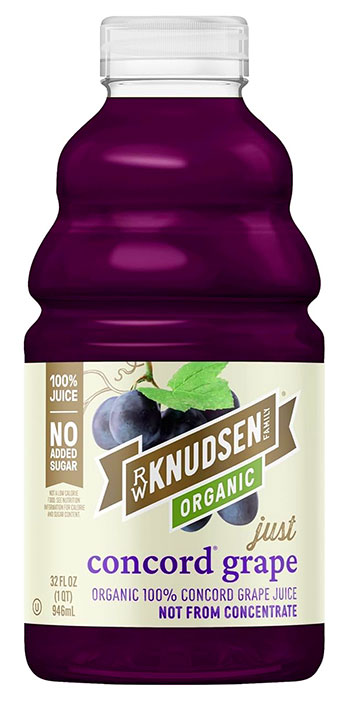
- 1 quart of sugar-free grape juice (pasteurized, not from concentrate) or any unsweetened pure juice.
- 1 capsule of Saccharomyces boulardii + FOS probiotic
- A clean glass bottle or jar with a lid you can leave loose or tighten as needed. Grap juice bottles work well.
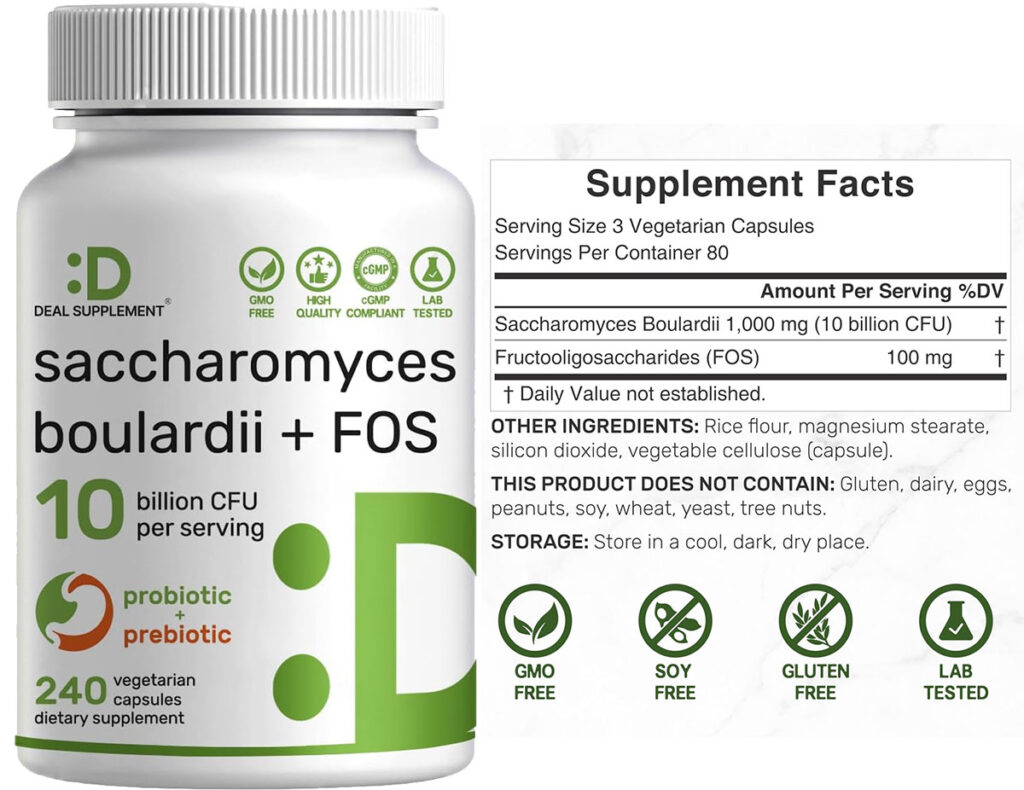
This is the kind of Saccharomyces boulardii + FOS that I used to make the grape juice. There are numerous brands available on the market.
Directions:
- Pour your grape juice into a clean container (leave a two-inch space at the top).
The first time I made this, I used a bottle of grape juice. Next time, I used frozen grape juice and added water, which made twice as much and worked out very well. - Open the capsule and sprinkle the powder into the juice. Cover and shake. Be careful not to spill.
- Loosely cover and leave it at room temperature (around 70–75°F / 21–24°C)
- Ferment for 24–48 hours.
- Once a day, close the lid tightly and shake the juice bottle. It will fizz, so if it is too full, it could bubble over.
- Taste test! When it turns lightly tangy and effervescent (to your liking), move it to the fridge.
- Chill and enjoy within a week.
- Serving size: from 1/4 cup to a wine glass 3/4 full.
(Tip: Always use clean utensils and bottles to avoid contamination.)
So… About That “Buzz”
When I tried my homemade batch, I noticed something unexpected — that slight, mellow buzz reminiscent of wine. It’s possible that a tiny bit of natural alcohol developed during fermentation (typically less than 0.5%), similar to kombucha or kefir. The reaction is gentle and short-lived but adds to the sense that you’re sipping something special.
It’s not the kind of buzz that leaves you lightheaded, just a reminder that the natural world still holds a bit of mystery — and that good bacteria can throw a pretty good party.
Why You Might Love This
- Non-alcoholic (or nearly so)
- Gut-friendly and full of beneficial microbes
- Low in sugar
- Beautiful to serve — like a healthy mocktail or an aperitif
- A creative kitchen experiment that feels more like art than science
Why Your Body and Microbiome Will Love This
Benefits of Saccharomyces boulardii and fructooligosaccharides (FOS) as a Symbiotic Blend.
- Prevents diarrhea (and traveler’s diarrhea), nourishes beneficial bacteria, helps restore the gut’s natural balance, improves digestive health, and supports the immune system.
- FOS acts as a food source for beneficial bacteria in the gut, and S. boulardii helps to crowd out harmful bacteria, leading to a more balanced and healthy gut environment. Combats gut pathogens.
- Creates a faster recovery after taking Antibiotics by restoring gut flora. Balances good bacteria in the digestive tract.
- S. boulardii can stimulate the production of Immunoglobulin A (IgA) and other immune-modulating effects. Strengthens the intestinal barrier and helps preserve gut integrity, which can be beneficial for individuals with inflammatory bowel diseases (IBD) and irritable bowel syndrome (IBS).
- S. boulardii is a yeast, which means it is not killed by antibiotics, making it a suitable probiotic to take at the same time as antibiotics.
- Enhanced anti-inflammatory effects, such as reducing inflammation associated with conditions like colitis.
- Gut bacteria ferment FOS to produce short-chain fatty acids (SCFAs), such as butyrate, which are crucial for maintaining a healthy gut lining and reducing inflammation.
Primary Benefits of Saccharomyces boulardii.
- Combats yeast overgrowth: This probiotic yeast can help prevent and treat opportunistic infections, such as Candida albicans, by inhibiting the growth of this yeast.
- Fights pathogenic bacteria and toxins: S. boulardii binds to harmful bacteria and toxins from pathogens such as E. coli, Salmonella, and Clostridium difficile, helping to clear them from the body.
- Manages specific gastrointestinal disorders, including Inflammatory Bowel Disease (IBD) such as Crohn’s disease and ulcerative colitis, as well as Irritable Bowel Syndrome (IBS).
- Aids in H. pylori treatment: When taken in conjunction with antibiotics, S. boulardii can enhance the clearance rate of Helicobacter pylori infections and reduce treatment-related side effects.
Primary Benefits of FOS
- Improves mineral absorption: FOS is known to enhance the body’s absorption of essential minerals, such as calcium and magnesium, which are crucial for overall health.
- Supports blood sugar control: As a low-calorie, non-digestible fiber, FOS does not spike blood sugar levels, making it a suitable alternative to sugar.
- Enhances satiety: FOS can slow down digestion and aid in appetite and weight management.
A Final Toast
If you’ve ever looked at a glass of wine and wished for something elegant yet body-friendly, this might be your new favorite ritual. With Saccharomyces boulardii + FOS probiotic grape juice, and a bit of patience, you can craft a drink that nourishes your microbiome and your sense of wonder. You can enjoy it alone or with a meal at any time.
So here’s to your health — and to the delicious experiments that make life just a little more fun. Now you can discover how Saccharomyces boulardii probiotics can transform sugar-free grape juice into a sparkling, gut-friendly drink that resembles wine, tastes amazing, and makes you feel good.
Important considerations to note: While generally considered safe, some people, particularly those who are immunocompromised or have severe intestinal illness, should consult a doctor before taking S. boulardii + FOS. The author of this post makes no health claims; this article is based on independent research, as the author is not a certified health professional. Always consult with your physician.






Pingback: A Life-Changing Dance With Microbes – Gluten-Free Trina