Guest Contributor: Eliza McRee
For busy women managing gluten intolerance while juggling work, family, and wellness, a “normal” kitchen can quietly turn every meal into a stress test. The core tension is constant: managing gluten-free nutrition with confidence, while the space itself creates gluten-free diet challenges through messy prep flow and common gluten cross-contamination sources hiding in plain sight.
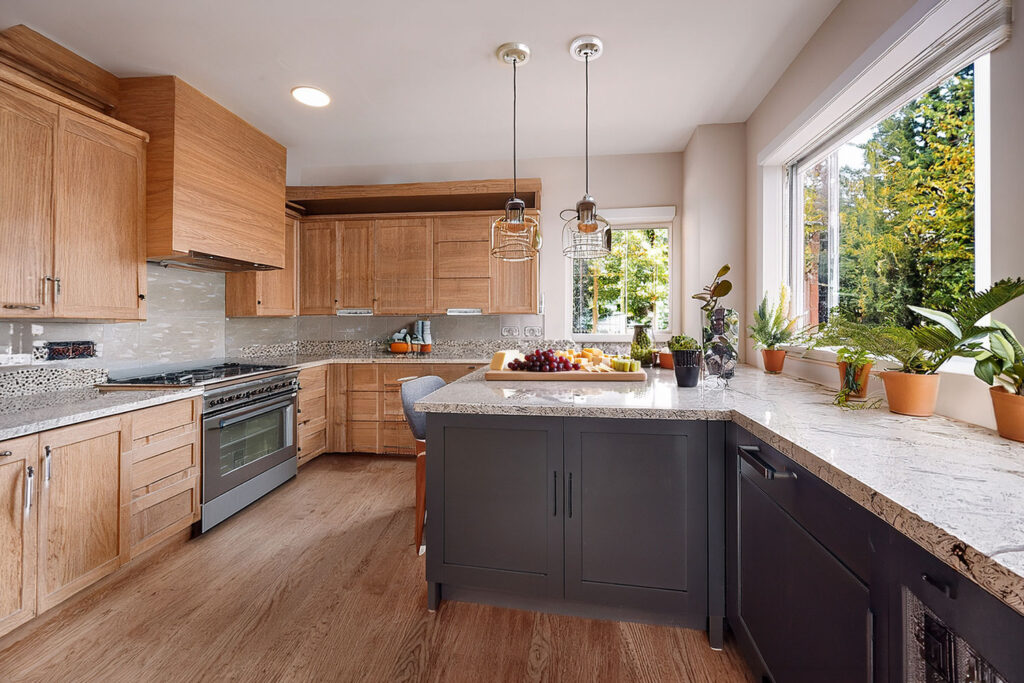
When kitchen design for gluten intolerance is ignored, cooking can feel more like damage control than a healthy cooking environment that supports healing and consistency. A thoughtful renovation can turn the kitchen into a practical health tool.
Quick Summary: Stress-Free Gluten-Free Kitchen Reno
- Plan a nutritional kitchen layout that streamlines safe gluten-free prep and reduces daily cooking stress.
- Upgrade gluten-free cooking appliances that support consistent meals and simplify your routine.
- Add food storage solutions that keep gluten-free ingredients organized, protected, and easy to find.
- Renovate with long-term dietary health in mind so your kitchen supports steady nutrition over time.
Understanding a Gluten-Safe Kitchen Setup
Start with one simple idea.
A gluten-safe kitchen is designed to make clean, confident cooking easier than ever. It combines clear work zones, supportive appliances, and storage rules that prevent mix-ups and reduce exposure from day to day. The goal is fewer “oops” moments and more meals you can trust.
This matters because gluten exposure often happens through small, repeatable habits, not big mistakes. Using the cross-contamination definition, you can see why layout and storage matter as much as ingredients. Even “safe” packaged foods still follow thresholds, such as fewer than 20 parts per million of gluten, so preventing crumbs and residue remains important.
Picture a weekday dinner rush: you prep veggies on a dedicated board, toast gluten-free bread in a separate toaster, and keep your flour substitutes sealed on a high shelf. Nothing touches the sandwich-making zone where others use regular bread. The kitchen gently guides you toward safer defaults.
With the concept clear, you can plan zones, pick materials, and build routines that still work after the remodel.
Set Up a Gluten-Safe Kitchen That Stays Easy
Your remodel can do more than look pretty. This process helps you build a kitchen that reduces daily decision-making, supports healthier gluten-free meals, and keeps contamination prevention simple enough to stick with even on busy weeknights.
- Step 1: Map your cooking flow into clear zones
Start by listing what you do most: unpack groceries, wash and chop, cook, plate, and store leftovers. Sketch those actions into separate areas, then label one prep space and one storage area as gluten-free priority zones, using the kitchen zone system as your layout guide. This gives you a plan that protects routines, not just countertops. - Step 2: Choose low-fuss, easy-clean surfaces and hardware
Pick materials that do not trap flour dust or crumbs, like non-porous counters, simple cabinet fronts, and backsplashes you can wipe in one pass. Favor designs with fewer seams and grooves, since they are easier to sanitize quickly. The goal is less scrubbing and more confidence that yesterday’s mess is truly gone. - Step 3: Upgrade the appliances that reduce risk and effort
Prioritize items that make gluten-free cooking more consistent, such as a convection oven for even baking, a vent hood to pull airborne flour away, and a dishwasher that handles hot, thorough cycles. If your household uses both gluten and gluten-free foods, add a dedicated gluten-free toaster or a toaster oven that stays in your safe zone. These choices cut down on repeated micro-decisions that can feel exhausting. - Step 4: Build storage rules that prevent mix-ups automatically
Assign one “top shelf only” area for gluten-free flours, snacks, and baking tools, and keep them sealed in clear, labeled containers. Create a small caddy for gluten-free essentials, such as separate sponges, dish brushes, and a clean cutting board, so you don’t have to hunt for the right item mid-recipe. This matters because the overall prevalence of gluten contamination shows mix-ups are common enough that systems will beat willpower. - Step 5: Lock in a simple, repeatable “reset routine”
Write a 3-minute checklist and tape it inside a cabinet: wipe the gluten-free prep surface, swap in the gluten-free sponge, and put dedicated tools back in their home. Decide who does the reset and when, such as right after dinner or after lunch packing, so it becomes a default. A remodel only stays stress-free when the habits are easier than improvising.
A few smart defaults now can make gluten-free cooking feel calm for years.
Kitchen Renovation Q&A for Gluten-Free Ease
A few quick answers to make planning feel simpler.
Q: How can I design my kitchen layout to reduce stress and make gluten-free cooking easier every day?
A: Create a clear “safe prep” area near the sink with a dedicated cutting board, utensils, and a wipeable counter. Keep the most-used gluten-free items within one step of that spot so you are not juggling packages and crumbs. If you are remodeling, add a pull-out trash and a landing space beside the stove to reduce rushed transfers.
Q: What are the best appliances to choose that promote healthier gluten-free meal preparation?
A: Choose appliances that support consistency: an oven that bakes evenly, a strong vent hood, and a dishwasher with a sanitizing or high-heat cycle. If gluten enters the home, plan to keep a separate toaster or small oven gluten-free. During construction, rely on simple meals and mixes that help you avoid sneaky gluten when labels are easy to miss.
Q: Which storage solutions help prevent gluten contamination and keep gluten-free foods fresh longer?
A: Use clear, airtight containers with big labels, and store gluten-free staples above any gluten items to limit spill risk. Add one shallow “GF only” bin for snacks and lunch supplies so family members can grab without digging. A small, lidded caddy for dedicated sponges and brushes keeps cleanup safer and faster.
Q: How does thoughtful kitchen design encourage sustainable, healthy habits for those on a gluten-free diet?
A: When the healthy choice is the easy choice, you repeat it without burnout. Plan bright task lighting where you prep, place spices and oils near your main cooking zone, and keep measuring tools in one drawer so weeknight meals feel doable. A built-in, reset-friendly feature, like a pull-out shelf for small appliances, so counters stay clear for safe prep.
Q: What should I consider if I want professional help to plan a kitchen renovation that supports my gluten-free lifestyle?
A: Look for someone who welcomes detailed routines, not just finishes, and ask how they will separate prep, storage, and cleanup to reduce cross-contact. Request drawings showing where dedicated tools and gluten-free staples will be located, including what will happen during the construction phase. Budgeting helps, too, since setting aside an extra 15-20% can protect your plan if plumbing leaks or hidden damage appear, and those interested in plumbing repair supplies online can keep options in mind.
Small design choices add up to a calmer kitchen you can trust every day.
Take One Intentional Kitchen Step Toward Gluten-Free Calm
Gluten-free living can feel exhausting when the kitchen setup invites crumbs, confusion, and constant double-checking, especially during a renovation. The steadier path is an intentional kitchen design mindset: plan for easy cleaning, clear storage, and safe separation, so the space supports sustainable gluten-free health rather than fighting it. When those choices guide each decision, maintaining a gluten-free lifestyle becomes a calmer routine with long-term nutrition support built in.
Design the kitchen to reduce decisions, and gluten-free becomes easier to maintain. Choose one upgrade this week that lowers daily friction, such as a storage change or a decision about a cleanable surface. That single, practical move builds resilience in how meals happen day after day.
Overall, planning ahead is the key. Your regular routines may be interrupted, but if you have food set aside for times when you can’t cook, it will help you. Prepare freezer meals ahead of time if you can.